
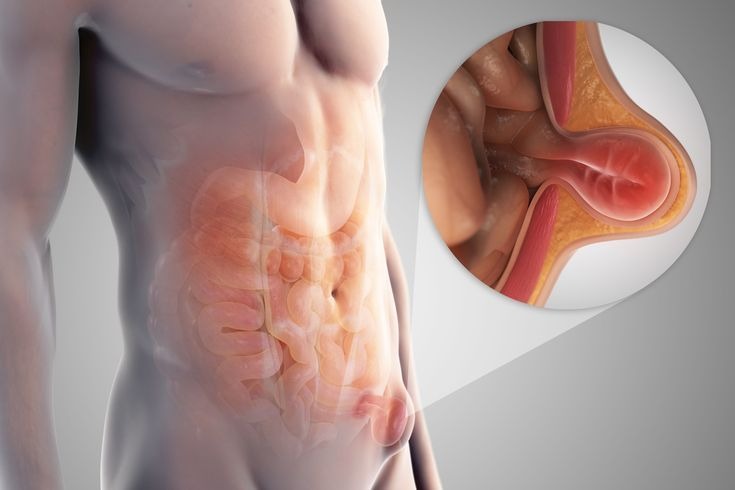
Inguinal Hernia
If you have been diagnosed with an inguinal (groin) hernia and your doctor suggests surgery, know that it’s quite common. Each year, approximately 800,000 inguinal hernia surgeries are conducted in the United States.
An inguinal hernia occurs when tissue, typically part of the intestine, pushes through a weak spot in the abdominal muscles located in the groin.
Ventral Hernia
A ventral hernia occurs when tissue protrudes through an opening in the abdominal muscles, causing a noticeable bulge or tender spot. Depending on its location and the cause, doctors might refer to it by different names. The most common ventral hernias include those at a previous surgical site (incisional hernia), near the navel (umbilical hernia), or above the navel (epigastric hernia).
Benefits of Robotic Surgery
A review of published studies suggests potential benefits of hernia repair with da Vinci technology include:
- Lower rate of complications after surgery.
- Reduced pain and discomfort.
- Patients stay in the hospital for a shorter amount of time.
- Tiny incisions rather than the large incisions associated with traditional open surgery.
- Faster recovery time and return to normal activities.
Health Check
We provide quality healthcare services to our community.
Personalized
Every procedure is personalized to each patien's needs.
Recovery
We follow up throughout the recovery process.
How do you prepare
Preparing for a hernia surgery involves following your surgeon’s instructions carefully to ensure a smooth recovery. Patients are typically advised to arrange transportation, avoid eating or drinking after midnight before the procedure, and disclose all medications or supplements they take. Wearing loose, comfortable clothing and planning for a short recovery period at home can also help. Most importantly, ask questions during your pre-op visit so you feel confident and informed about the process.
Most Popular Questions?
As part of our commitment to advanced robotic surgery, we actively engage in cutting-edge research initiatives. By pushing the boundaries of knowledge, we aim to bring breakthroughs that will shape the future.
Open surgery, the traditional method, involves making a large incision to directly access the surgical area, which is beneficial for complex cases but results in larger scars, longer recovery times, and higher risks of infection and complications. Laparoscopic surgery, a minimally invasive approach, uses small incisions and a camera to guide the procedure, leading to smaller scars, shorter recovery periods, and less post-operative pain.
Here are some key items to bring: Insurance information, list of medications, medical history, questions and concerns. It’s also a good idea to have a family member or friend accompany you to help remember information.
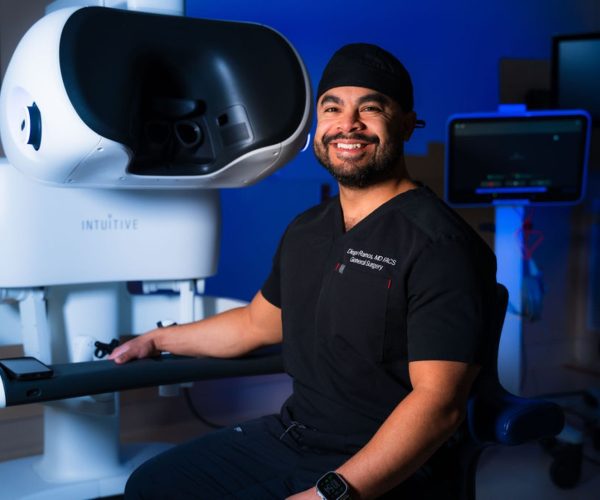
With da Vinci, your surgeon sits at a console next to you and operates using tiny instruments through a few small incisions.
A camera provides a high-definition, 3D magnified view inside your body.
Every hand movement your surgeon makes is translated by the da Vinci system in real time to bend and rotate the instruments with precision.
You’ll likely feel some mild discomfort and pain, but it’s generally less than with traditional open surgery. You might notice bruising and swelling around the incision sites. Most people can go home the same day or the next day and can return to normal activities within a week or two. It’s important to follow your doctor’s advice on pain management, diet, and activity restrictions to ensure a smooth recovery.