
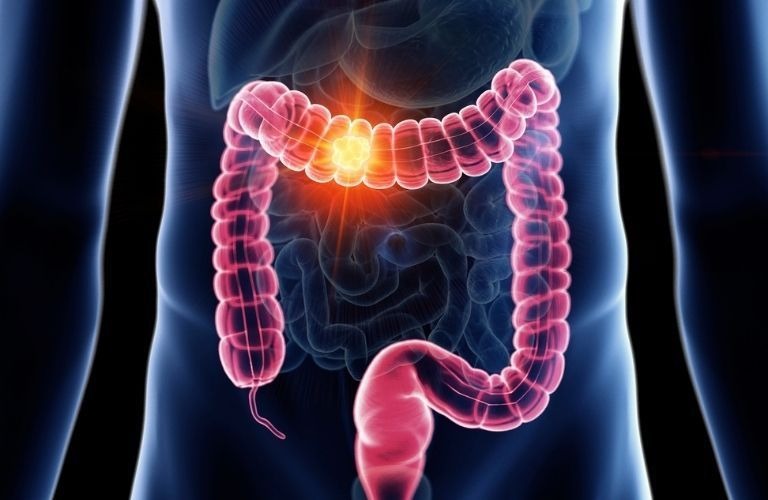
Facts About Colorectal Surgery
Each year, over 600,000 colon surgeries are carried out in the United States. Various conditions might lead your doctor to suggest colon surgery, from benign issues like bowel blockages, diverticulitis, and inflammatory bowel diseases such as Crohn’s or ulcerative colitis, to malignant conditions like colon cancer. Surgeons can remove the diseased section of the colon, along with nearby lymph nodes, with a procedure called a colectomy.
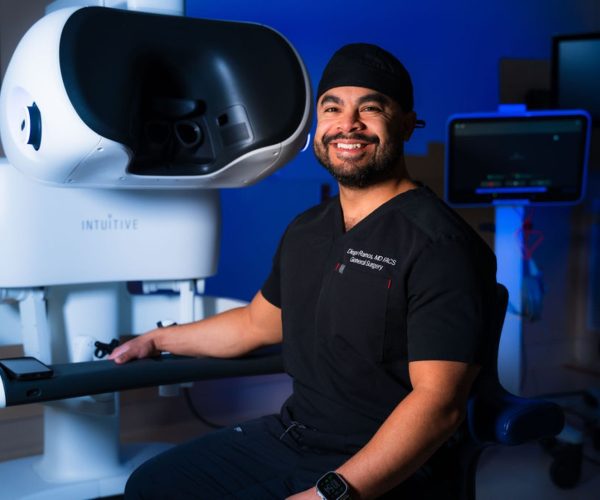
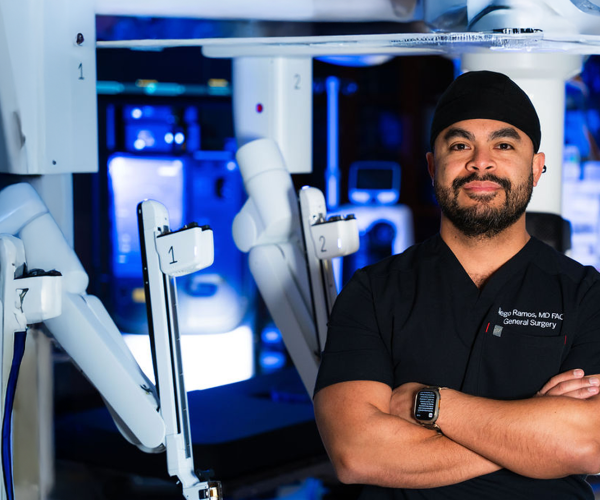
There are two minimally invasive approaches for colectomy: laparoscopic or robotic-assisted surgery, possibly with da Vinci technology. Both minimally invasive surgical options require a few small incisions that doctors use to insert surgical instruments and a camera for viewing. In laparoscopic surgery, doctors use special long-handled tools while viewing magnified images from a laparoscope (camera) on a video screen.
Benefits of Robotic Surgery
The da Vinci system makes it possible to perform surgery through a few small incisions about the size of your fingertip. With the da Vinci system, your surgeon sits at a console near you in the operating room. Other benefits include:
- Faster recovery time and return to normal activities.
- Reduced pain and discomfort.
- Tiny incisions rather than the large incisions associated with traditional open surgery.
- Lower rate of complications after surgery.
- Patients stay in the hospital for a shorter amount of time.
Health Check
We provide quality healthcare services to our community
Personalized
Every procedure is personalized to each patient's needs.
Recovery
We follow up throughout the recovery process.
Preparation for colorectal procedure
Follow your doctor’s instructions for bowel prep, which usually involves a special diet and taking laxatives to clear your intestines. Typically, you’ll need to follow a clear liquid diet and avoid eating or drinking after midnight before the surgery. Plan for someone to drive you home after the surgery, as you won’t be able to drive yourself.
Most Popular Questions?
There are additional surgical outcomes you may want to talk about with your doctor. Please ask to discuss all important outcomes.
There are two minimally invasive approaches for colectomy: laparoscopic or robotic-assisted surgery, possibly with da Vinci technology. Both minimally invasive surgical options require a few small incisions that doctors use to insert surgical instruments and a camera for viewing. In laparoscopic surgery, doctors use special long-handled tools while viewing magnified images from a laparoscope (camera) on a video screen.
Some key items to bring: Insurance information, list of medications, medical history, questions and concerns. It’s also a good idea to have a family member or friend accompany you to help remember information.
You might feel some discomfort and pain, but it’s generally less than with traditional open surgery. You may experience fatigue and mild pain, especially around the incision site or in your abdomen. Most people can go home the same day or the next day and can return to normal activities within a week or two. It’s important to follow your doctor’s advice on pain management, diet, and activity restrictions to ensure a smooth recovery.
The lower part of your digestive tract, called the large intestine, is comprised of the colon and rectum and is also sometimes called the colorectal region. It can develop issues that range from occasionally bothersome to life-threatening. Noncancerous conditions include, but are not limited to, inflammatory bowel diseases like Crohn’s disease and ulcerative colitis, blockages and ruptures, infected pockets (diverticulitis) and abscesses, and others that can take a toll of your quality of life and may require medical care.