
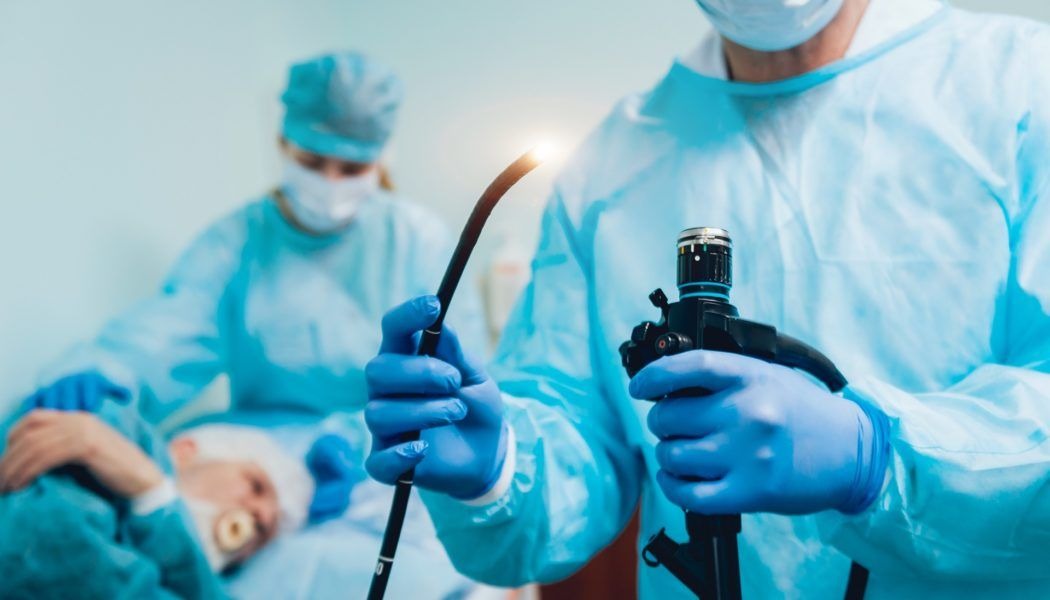
What is an Endoscopy?
Endoscopy is a simple procedure where a doctor uses a thin, flexible camera to look inside your body. It helps find the cause of symptoms and check your organs without needing surgery.
- Minimally invasive: No major incisions, reducing discomfort and recovery time.
- Real‑time visuals: Provides clear internal images for accurate evaluation.
- Biopsy capability: Allows safe tissue sampling during the same procedure.
- On‑the‑spot treatment: Can stop bleeding or remove small growths immediately.
- Early diagnosis: Detects digestive issues sooner for faster treatment.
Health Check
We provide quality healthcare services to our community
Personalized
Every procedure is personalized to each patient's needs.
Recovery
We follow up throughout the recovery process.
How To Plan For An Endoscopy?
Follow your doctor’s instructions, stop certain medications, avoid solid food the night before, and stick to clear liquids. Arrange a ride home, as sedation is used during the procedure.
Most Popular Questions About An Endoscopy?
As part of our commitment to advancing endoscopic care, we continually invest in innovative research and clinical advancements. By expanding the possibilities of modern endoscopy, we strive to deliver breakthroughs that elevate patient outcomes and shape the future of digestive health.
Most endoscopies use sedation, and discomfort is usually minimal.
Typical procedures last 15–45 minutes, with a short recovery period.
Many patients can resume light eating soon after, but driving is not allowed for 24 hours due to sedation.
-
- Photo ID:
Driver’s license or other government-issued ID
- Insurance card(s), if applicable
- List of current medications and supplements, including doses
- Medical history information, especially past surgeries or conditions
- Referral forms or prior test results, if your doctor requested them
- Advance care plan, if you have one
- Photo ID:
Driver’s license or other government-issued ID