
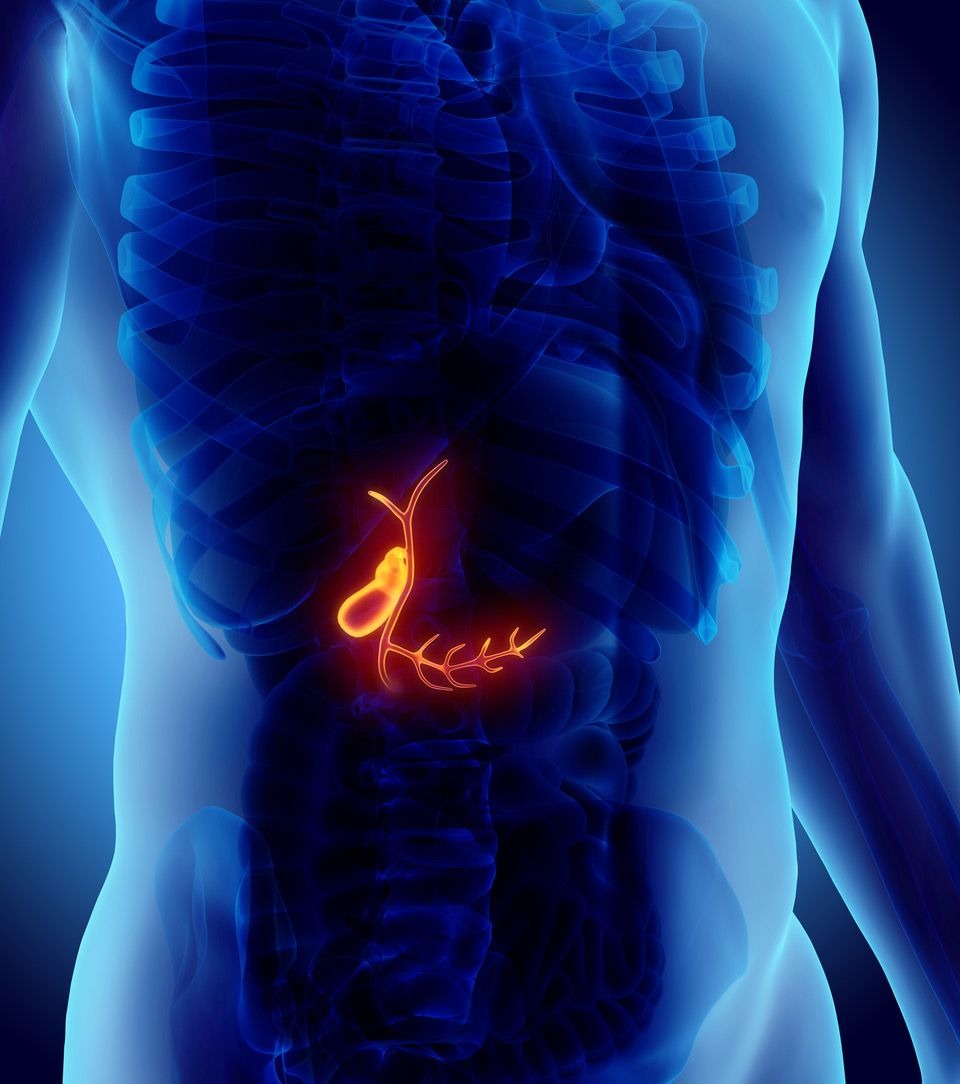
Gallbladder Surgery
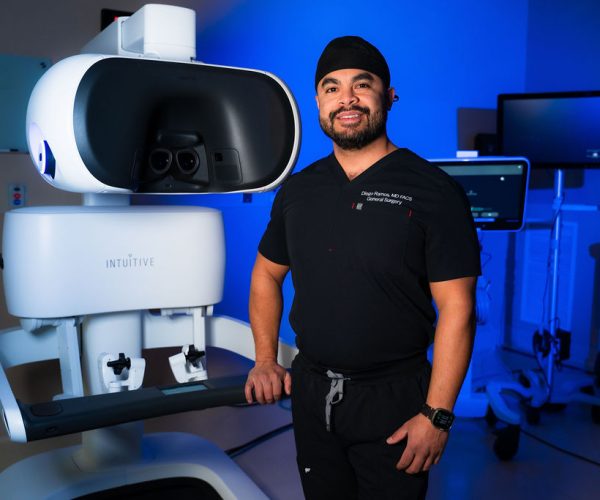
Your doctor may suggest surgery to remove gallstones or your gallbladder, known as a cholecystectomy. This can be done through open surgery, requiring a large incision, or more commonly today, through minimally invasive robotic methods. Most surgeries use a laparoscopic or robotic-assisted approach, such as with da Vinci technology. These minimally invasive procedures involve a few small incisions or a single small incision near the belly button, where doctors use long-handled tools and view magnified images from the laparoscope (camera) on a video screen to remove the gallbladder.
Benefits of Robotic Surgery
Robotic systems give surgeons enhanced dexterity and 3D high‑definition visualization, allowing for more precise movements than traditional laparoscopic tools. Some additional benefits are:
- Patients stay in the hospital for a shorter amount of time.
- Lower rate of complications after surgery.
- Tiny incisions rather than the large incisions associated with traditional open surgery.
- Faster recovery time and return to normal activities.
- Reduced pain and discomfort.
Personalized
Every procedure is personalized to each patient's needs.
Health Check
We provide quality healthcare services to our community.
Recovery
We follow up throughout the recovery process, we care about our patients.
How to treat a gallbladder?
To reduce your risk of inflammation of the gallbladder and blockage of the ducts, your doctor may recommend making adjustments to your diet, such as reducing fat intake. Your doctor may recommend surgery to remove the gallstones, or even to remove your gallbladder.

Most Popular Questions?
As part of our commitment to advanced robotic surgery, we actively engage in cutting-edge research initiatives. By pushing the boundaries of knowledge, we aim to bring breakthroughs that will shape the future.
Your gallbladder is a small organ that stores bile, a digestive juice your liver produces to break down fat in food. After you eat, the gallbladder releases stored bile into your small intestine through narrow tubes called ducts. Gallbladders can become inflamed (called cholecystitis) and ducts can be blocked, often because of small hard masses called gallstones that form, producing symptoms that range from mild discomfort to intense pain.
Open surgery, the traditional method, involves making a large incision to directly access the surgical area, which is beneficial for complex cases but results in larger scars, longer recovery times, and higher risks of infection and complications. Laparoscopic surgery, a minimally invasive approach, uses small incisions and a camera to guide the procedure, leading to smaller scars, shorter recovery periods, and less post-operative pain.
Some key items to bring: Insurance information, list of medications, medical history, questions and concerns. It’s also a good idea to have a family member or friend accompany you to help remember information.
You might feel some discomfort and pain, but it’s generally less than with traditional open surgery. You may experience fatigue and mild pain, especially in your abdomen or right shoulder due to the gas used during the procedure. Most people can go home the same day or the next day and can return to normal activities within a week or two.